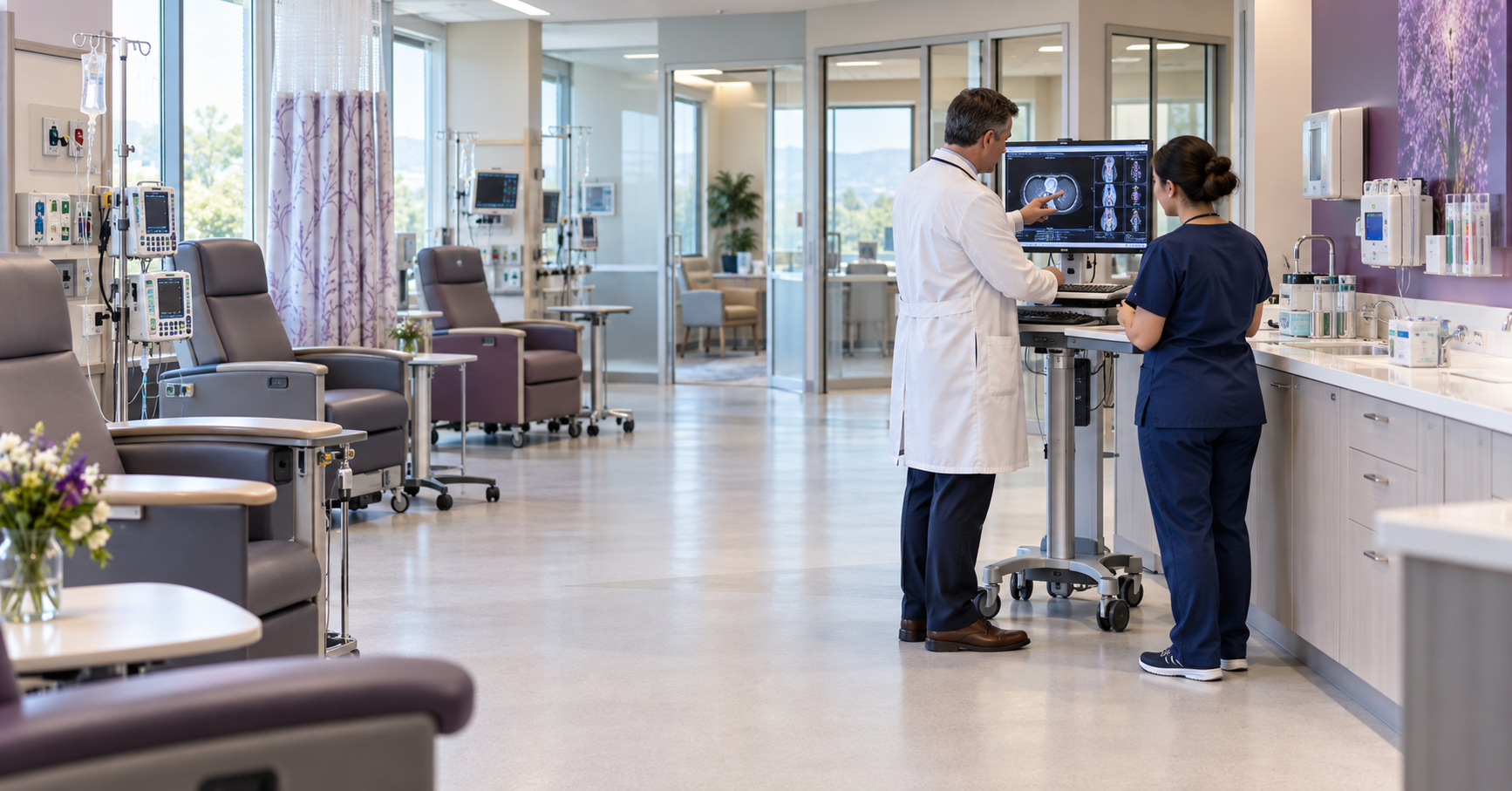
What is brain and central nervous system tumors?
Primary CNS tumors are a diverse group rather than one disease. They are named for their cell type, location, and increasingly their molecular features. Examples include gliomas, meningiomas, ependymomas, embryonal tumors, and primary CNS lymphoma; cancers that spread to the brain from another organ are brain metastases and follow different treatment pathways. Even a nonmalignant tumor can cause serious problems when it presses on the brain or spinal cord. World Health Organization classification integrates microscopic appearance with molecular alterations, and grade reflects expected biologic behavior. Age and tumor location also influence which diagnoses are most likely and which procedures are safe. Because tissue sampling can carry neurologic risk, diagnosis and treatment planning often involve neurosurgery, neuro-oncology, radiation oncology, neuropathology, neuroradiology, and rehabilitation. Follow-up imaging is interpreted alongside symptoms, examination, treatment effects, and sometimes advanced imaging because tumor growth and treatment-related changes can look similar.
Signs and symptoms
Symptoms vary with tumor location, size, swelling, and the function of the affected nervous-system area. Possible brain-tumor symptoms include new or worsening headaches, seizures, nausea or vomiting, weakness, numbness, vision or hearing changes, speech problems, loss of balance, unusual sleepiness, and changes in memory, concentration, personality, mood, or behavior. Symptoms may develop gradually or appear abruptly when swelling, bleeding, or seizure occurs. Spinal cord tumors may cause back pain, pain spreading into an arm or leg, weakness, sensory loss, or changes in bladder or bowel control. Sudden seizure, severe neurologic change, or rapidly worsening weakness needs urgent assessment. These symptoms can have many noncancer causes, including migraine, infection, stroke, medication effects, and benign neurologic disorders; clinical evaluation is needed to determine the cause.
Diagnosis and staging
Assessment includes a neurologic examination and usually contrast-enhanced MRI of the brain or spine; CT may be used when MRI is unavailable or for specific questions. Depending on the suspected tumor, evaluation can include eye examination, lumbar puncture, blood tests, functional imaging, or scans to look for a cancer elsewhere. When safe and useful, surgery or stereotactic biopsy provides tissue for neuropathology. Modern diagnosis often combines histology with molecular markers such as IDH status, 1p/19q codeletion, MGMT promoter methylation, or other tumor-specific alterations. Primary brain and spinal tumors are generally described by integrated tumor type and WHO grade rather than the stage I–IV system used for many body cancers. Extent of resection and residual disease are documented on postoperative imaging. Functional mapping may help surgeons protect language, movement, or sensory pathways. Care depends on exact type, grade, molecular biomarkers, location, resectability, previous therapy, age, health, and neurologic function.
Established treatment paths
Treatment is specific to the integrated tumor diagnosis. Surgery may establish the diagnosis, relieve pressure, and remove as much tumor as safely possible while preserving neurologic function. Some slow-growing or incidentally found tumors can be observed with scheduled MRI. Radiation may be delivered after surgery, as the main local treatment, or at recurrence; techniques and dose depend on tumor type, size, location, age, and prior radiation. Chemotherapy is used for selected tumors, often alongside radiation for higher-grade gliomas or as part of treatment for lymphoma and other responsive types. Molecular findings can identify targeted-therapy options for some tumors, while tumor-treating fields are used in selected glioblastoma care. Corticosteroids may temporarily reduce tumor-related swelling, and antiseizure medicines are used when clinically indicated. Treatment plans also account for cumulative effects on cognition, hormones, hearing, and other neurologic functions. Recurrent disease may be managed with repeat surgery, radiation, systemic treatment, device therapy, supportive care, or clinical trials. The plan depends on tumor type, grade, location, biomarkers, extent, function, age, health, goals, and treatment tolerance.
Supportive care
Supportive care is often neurologically focused. Corticosteroids can reduce swelling but require monitoring; antiseizure treatment should be individualized. Physical, occupational, speech, cognitive, and vocational rehabilitation can help preserve independence. The team can address headaches, fatigue, sleep, mood, memory, communication, mobility, swallowing, and caregiver strain. Palliative care can be added at any stage for symptom control and decision support. Driving, work, fall risk, and advance care planning may need discussion based on symptoms and local rules. Patients should report new seizures, severe headache, confusion, weakness, or loss of bladder or bowel control promptly and review supplements for treatment interactions.
Profiles documenting brain and central nervous system tumors care
These profiles mention a matching cancer specialty in their published materials. Browse their locations, reported services, and practical details.


Sources
Source information checked: 2026-09-29. The links below identify the public and clinic-provided materials used for this page.
- NCI: Brain Tumors ↗Checked 2026-09-29
- NCI: Adult Central Nervous System Tumors Treatment ↗Checked 2026-09-29
- NCI: Central Nervous System Tumors Treatment (Professional) ↗Checked 2026-09-29
How Cancer Clinic Finder compiles information · Suggest a factual correction