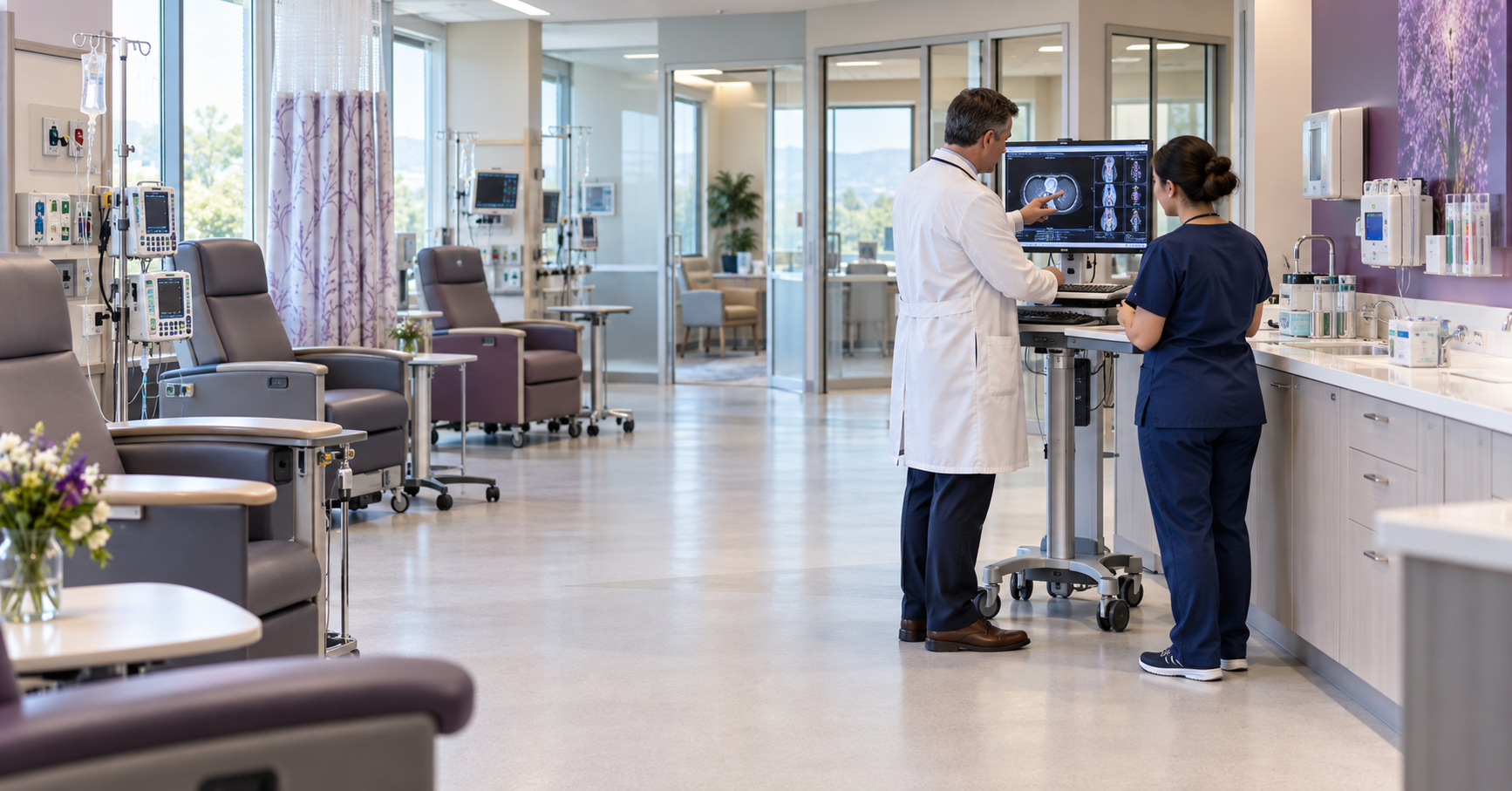
Learn about cancer treatments, supportive care and the approaches described by clinics. Each guide gives you a clearer starting point and practical questions to take into a conversation.
Approaches to symptoms, rehabilitation and quality of life during and after cancer care.
Multidisciplinary care for cancer-associated weight and muscle loss
Cancer cachexia is a complex syndrome involving loss of weight and muscle that can occur with cancer, particularly advanced disease. It is more than simply not eating enough and cannot usually be reversed by calories alone. Support involves the oncology…
Assessment and practical treatment of persistent cancer-related tiredness
Cancer-related fatigue can feel more intense than ordinary tiredness and may not improve fully with sleep. Management starts with understanding its pattern and checking for contributing problems such as anemia, pain, poor sleep, reduced intake or emotional distress. A plan…
Individualized assessment and relief of cancer-related pain
Cancer pain management begins by identifying where pain comes from and how it affects sleep, movement and daily life. Pain may arise from cancer, treatment or a separate condition, and different causes need different approaches. A plan can combine medicines,…
Restore or maintain function during and after cancer care
Cancer rehabilitation helps people regain or preserve abilities affected by cancer and its treatment. Goals may include walking safely, using an arm after surgery, managing weakness, returning to work or completing everyday tasks with less difficulty. A rehabilitation clinician assesses…
Emotional, social and practical support through conversation
Counseling and support groups offer space to talk about the emotional and practical effects of cancer. Individual counseling can focus on personal concerns, while groups connect people with shared experiences such as a diagnosis, treatment stage or caring role. Meetings…
These guides organize publicly available and clinic-provided information. Services and availability can change, so confirm current details directly with the clinic.
FEATURED ACROSS THE UNITED STATES
Featured cancer centers across the United States.
Featured placement · demonstration clinics
USA featured clinic · PreviewHarbor Integrative Cancer CenterBoston, Massachusetts