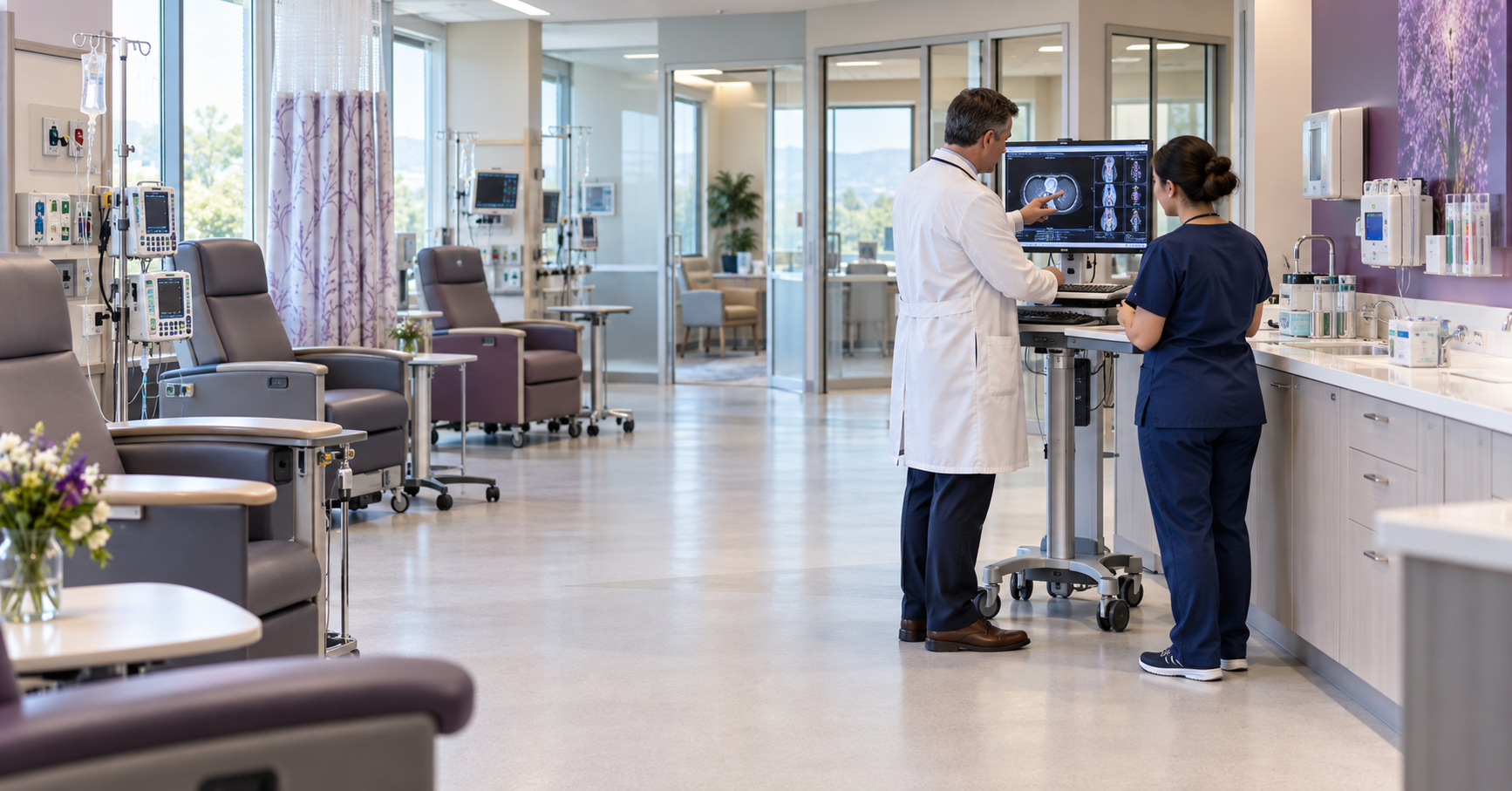
Learn about cancer treatments, supportive care and the approaches described by clinics. Each guide gives you a clearer starting point and practical questions to take into a conversation.
Browse by purpose, search a name or abbreviation, or choose a letter. Open any guide to understand the approach and find clinics that report offering it.
Acupuncture involves stimulation of selected points, usually with very thin needles. In cancer care, it is studied and used mainly for symptom management. It may help selected people with problems such as treatment-related nausea or certain types of pain. It…
Creative support for expression, distress and wellbeing
Art and music therapy use creative activities within a therapeutic relationship to support people affected by cancer. Sessions may involve making images, listening to or creating music, or exploring experiences that are difficult to put into words. No artistic skill…
Established diagnostic tool for selected treatment decisions
Biomarker testing looks for features of a cancer, such as gene changes or proteins, that may help guide treatment. Testing may use tumor tissue, blood or another sample, depending on the question being asked. It can identify an approved treatment…
Established intensive treatment pathway for selected cancers
A blood stem cell transplant restores the cells that make blood after intensive cancer treatment. An autologous transplant uses the patient’s own collected cells; an allogeneic transplant uses cells from a donor. These procedures are used mainly for selected blood…
Plant-derived products used as part of integrative or supportive care
Botanical medicine uses plants or plant-derived preparations, including herbs, extracts, teas and dietary supplements. Cancer centers and integrative clinicians may discuss these products for symptom support, nutrition planning or general wellbeing. The specific product, dose, formulation and timing matter because…
Brachytherapy places a radiation source in or close to a tumor using an applicator, catheter or small implant. Depending on the treatment plan, the source may be removed after a short period or remain as a permanent implant whose radiation…
Multidisciplinary care for cancer-associated weight and muscle loss
Cancer cachexia is a complex syndrome involving loss of weight and muscle that can occur with cancer, particularly advanced disease. It is more than simply not eating enough and cannot usually be reversed by calories alone. Support involves the oncology…
Assessment and practical treatment of persistent cancer-related tiredness
Cancer-related fatigue can feel more intense than ordinary tiredness and may not improve fully with sleep. Management starts with understanding its pattern and checking for contributing problems such as anemia, pain, poor sleep, reduced intake or emotional distress. A plan…
Individualized assessment and relief of cancer-related pain
Cancer pain management begins by identifying where pain comes from and how it affects sleep, movement and daily life. Pain may arise from cancer, treatment or a separate condition, and different causes need different approaches. A plan can combine medicines,…
Restore or maintain function during and after cancer care
Cancer rehabilitation helps people regain or preserve abilities affected by cancer and its treatment. Goals may include walking safely, using an arm after surgery, managing weakness, returning to work or completing everyday tasks with less difficulty. A rehabilitation clinician assesses…
Cancer surgery removes a tumor or other tissue to treat disease, reduce its burden, or ease a problem caused by it. It is often central to care for a solid tumor in a defined area. An operation may be paired…
Limited established applications; many personalized vaccines remain investigational
Cancer treatment vaccines aim to train an immune response against features of an existing cancer. They differ from preventive vaccines, such as HPV vaccination, which reduce the risk of certain cancers before they develop. An established treatment example is sipuleucel-T…
These guides organize publicly available and clinic-provided information. Services and availability can change, so confirm current details directly with the clinic.
FEATURED ACROSS THE UNITED STATES
Featured cancer centers across the United States.
Featured placement · demonstration clinics
Featured placement · demonstration clinicsHarbor Integrative Cancer CenterBoston, Massachusetts